
Many people dream of harvesting fresh herbs or stepping into a lush green retreat, but lack a spacious backyard. Apartment living, compact homes, and busy urban lifestyles often mean traditional garden beds aren't an option. The good news? You don't need acres of land to enjoy the beauty and rewards of growing your own plants.
These mini garden ideas prove that even the smallest spots can transform into vibrant, peaceful sanctuaries. A sunny windowsill, a cozy balcony, a narrow patio nook, or a tabletop can support a healthy, productive garden with the right setup and plant choices.
Whether you want to cultivate kitchen herbs, fill your living room with colorful blooms, or start small-space gardening as a relaxing hobby, there are endless ways to get started. This guide covers 15 practical mini garden ideas for small spaces, along with beginner-friendly tips to help you pick the perfect setup for your home and lifestyle.
15 Creative Mini Garden Ideas for Small Spaces
1. Create a Vertical Mini Garden
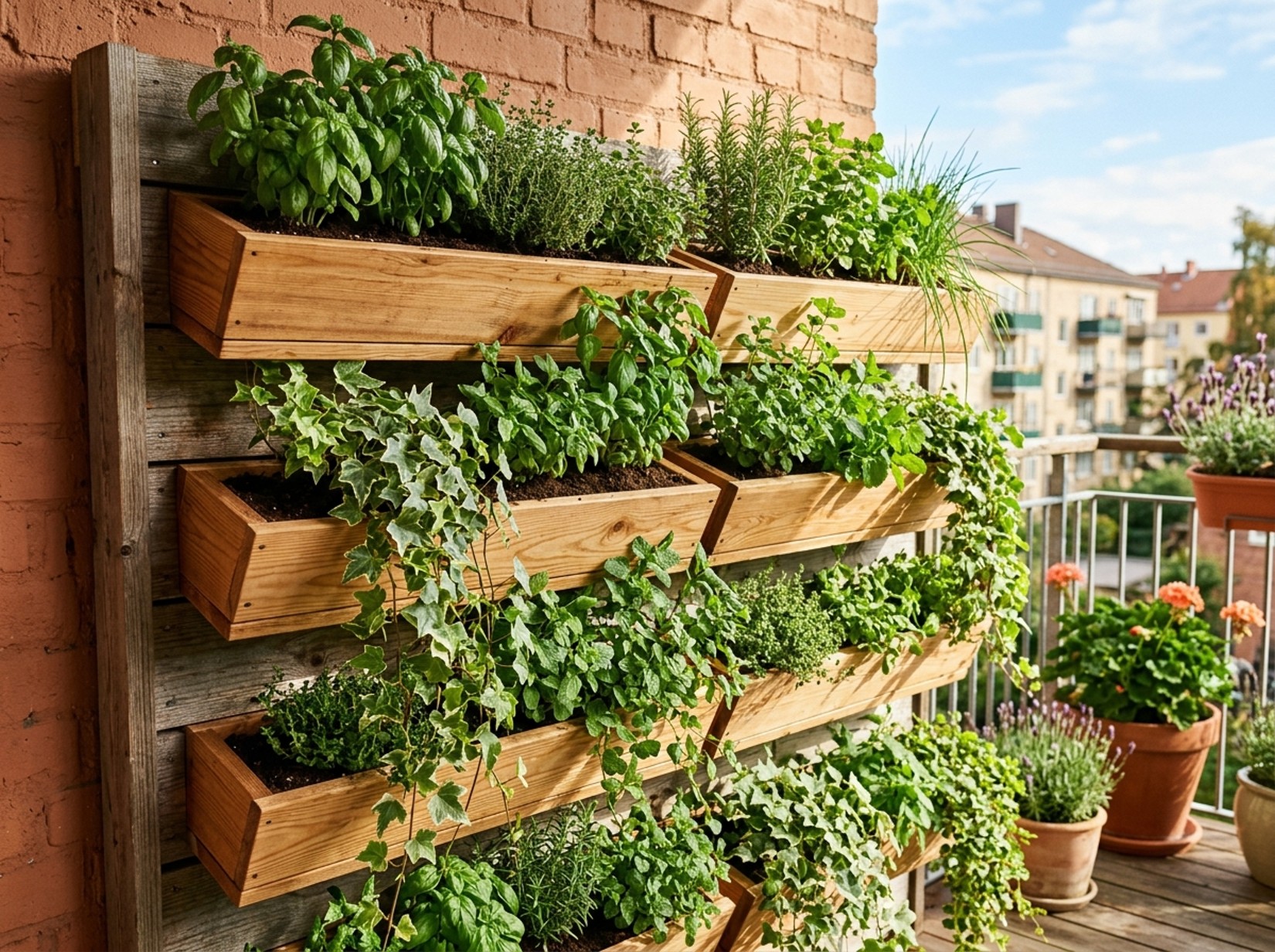
When floor space is tight, look up. A vertical mini garden uses walls, fences, shelving units, or trellises to create multiple growing levels without taking up precious square footage.
Wall-mounted planters work brilliantly for mini herb gardens and leafy greens, while tiered plant stands can display flowering annuals or succulents. Balcony railings and narrow patio walls also benefit from vertical gardening, keeping walkways clear and open for movement.
Opt for lightweight containers and secure your mounting hardware firmly, especially in windy outdoor spots. Herbs like thyme, oregano, basil, and parsley thrive in vertical arrangements as long as each row receives adequate sunlight. Vertical systems are among the most efficient small-space gardening ideas available, turning blank walls into living displays of green.
2. Build a Windowsill Herb Garden
A bright, sunny windowsill is all you need to start a productive windowsill garden. Having homegrown herbs right at your fingertips simplifies daily cooking while filling your kitchen with fresh fragrance.
Great herbs for windowsills include:
· Basil
· Mint (kept in an isolated pot)
· Chives
· Parsley
· Cilantro
· Thyme
Most culinary herbs need at least 4 to 6 hours of direct sun daily. Choose pots equipped with proper drainage holes to prevent waterlogged roots. Place saucers underneath each container to protect your windowsill from moisture, and rotate your pots weekly to encourage balanced, upright growth toward the sunlight.
3. Turn a Small Balcony Into a Mini Garden
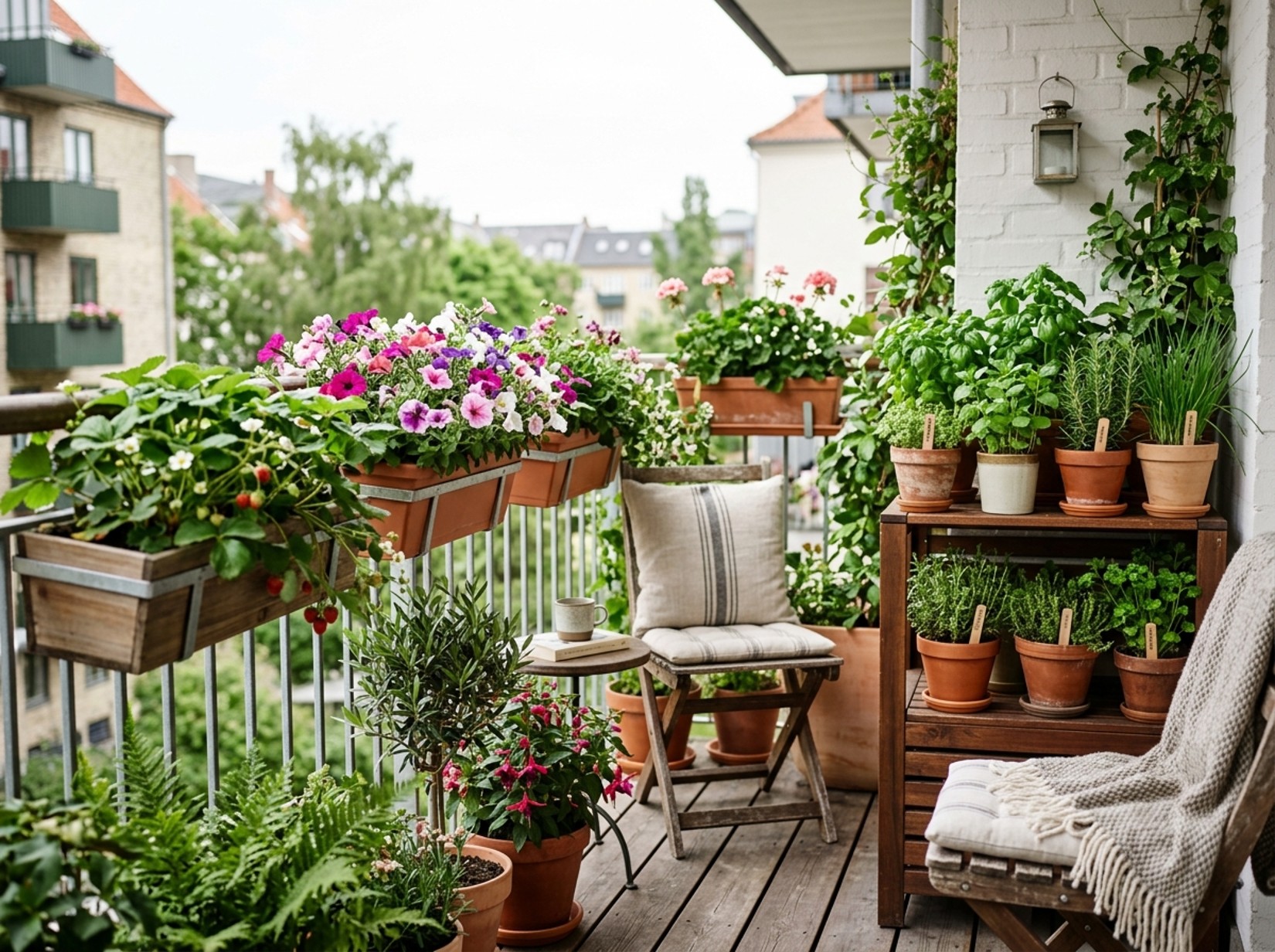
Even a compact balcony offers immense potential for apartment gardening. Before picking out plants, observe how much direct sunlight and wind exposure your balcony gets throughout the day.
Maximize your space by combining:
· Railing planters
· Hanging baskets
· Compact floor pots
· Vertical ladder shelves
· Folding plant stands
Mix ornamental flowers with edible crops for a space that is both eye-catching and practical. Sunny balconies favor sun-loving herbs, cherry tomatoes, dwarf peppers, and lavender. Shadier balconies suit leafy greens, ferns, and shade-tolerant annuals. With a thoughtful layout, even a tiny balcony can become your favorite outdoor retreat.
4. Try a Mini Container Garden
Container gardening provides ultimate flexibility because pots can be placed almost anywhere—indoors or outdoors.
Rather than relying on a single large planter, group several containers together. Combining pots of varying heights, textures, and colors creates visual depth while keeping plant care manageable.
Select container sizes based on each plant's mature root system, not its current nursery size. Ensure every pot has drainage holes so water can escape freely. Grouping containers also lets you move pots around easily to catch seasonal sunlight or refresh your layout whenever you like.
5. Create a Tabletop Garden
Not all gardens belong on the floor or outside. A tabletop garden brings lush greenery directly to your desk, dining table, coffee table, or bookshelf.
Ideal compact plants for tabletop displays include:
· Small succulents
· Air plants (Tillandsia)
· Mini ferns
· Compact culinary herbs
· Dwarf cacti
Style your arrangement with decorative ceramic pots, terracotta dishes, or wooden trays. Keep the composition clean and uncluttered so each plant has room to breathe and grow naturally. A tabletop display is a simple, stylish way to enjoy mini indoor garden ideas without taking up valuable living space.
6. Make a Mini Indoor Garden Corner
Transform an unused corner near a bright window into a dedicated indoor plant nook.
Use a narrow plant stand or tiered bookshelf to display plants at different elevations. Grouping plants together not only creates a lush visual impact but also boosts local humidity, which benefits many indoor species.
Match your plant selections to the light levels of your space. High-light windows support flowering plants and herbs, while medium-to-low-light corners suit foliage plants like pothos or snake plants. Maintain adequate spacing between pots to ensure good airflow and minimize fungal issues.
7. Grow a Mini Vegetable Garden
You don't need a sprawling backyard plot to harvest your own fresh produce. A mini vegetable garden set up in containers can yield impressive harvests in tight spaces.
Top vegetable choices for container growing include:
· Leaf lettuce and spinach
· Radishes
· Green onions (scallions)
· Bush beans
· Cherry tomatoes
· Compact pepper varieties
When planting a mini vegetable garden, factor in container depth, daily sunlight hours, and potting soil quality. Use a premium, well-draining potting mix formulated for containers, and check moisture levels regularly—container-grown crops dry out faster than in-ground garden beds.
8. Create a Mini Succulent Garden
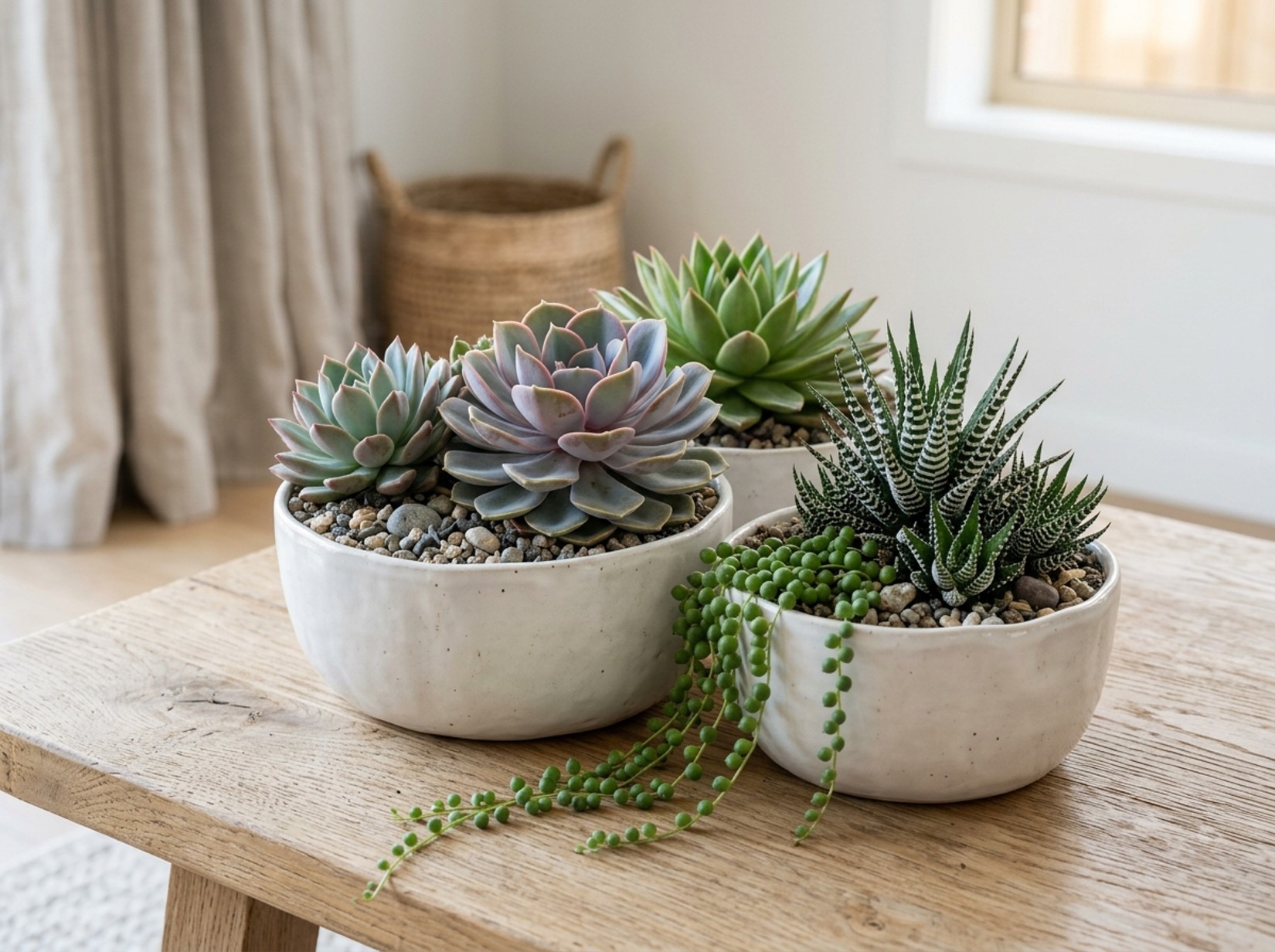
Succulents are ideal for beginners and busy gardeners because their fleshy leaves store moisture, making them low-maintenance and drought-tolerant.
Plant your mini succulent garden in a shallow dish or container with clear drainage holes. Fill it with a coarse, well-draining cactus and succulent soil mix to protect sensitive roots from rot.
Combine different shapes, colors, and growth habits for visual variety. Pair upright varieties with trailing succulents like String of Pearls to create soft, cascading edges. Position the planter in a bright spot with plenty of indirect or direct sunlight, and always let the soil dry out completely between waterings.
9. Build a Tiny Flower Garden in Containers
A mini flower garden brings seasonal color, texture, and fragrance to balconies, stoops, or windowsills. By selecting compact flowering annuals and perennials, you can maintain continuous blooms from spring through autumn.
Combine upright focal plants with mounding fillers and trailing spillers for a classic layered container. Great options include:
· Petunias
· Marigolds
· Pansies and violas
· Sweet alyssum
· Dwarf zinnias
If your garden is outdoors, planting nectar-rich flowers helps support local pollinators like bees and butterflies. Snipping off spent blooms regularly (deadheading) encourages plants to produce fresh flowers continuously.
10. Use Hanging Planters
When floor space is at a premium, hanging baskets and wall pots take advantage of unused vertical height.
Suspend planters from ceiling hooks, balcony overhead beams, pergolas, or sturdy wall brackets. Hanging containers work especially well for trailing plants that naturally spill over container edges.
Excellent choices for hanging planters:
· String of Pearls
· English Ivy
· Spider Plant
· Trailing Petunias
· Nasturtiums
· Compact Strawberries
Always install heavy-duty hooks rated to support wet soil and mature plants. Because soil gains significant weight when watered, secure mounting is essential for safety. Position hanging baskets where excess drainage won't damage surfaces below.
11. Make a Tiered Mini Garden
A tiered garden arrangement lets you pack more plants into a small footprint while ensuring every pot receives adequate sunlight.
Use step-style plant stands, wooden ladder shelves, or stacked planters to create distinct display levels. Place taller or sun-hungry plants on the upper tiers, and arrange shorter or shade-tolerant varieties on the lower steps.
Tiered displays add dynamic visual depth, making even a small collection of containers look like a curated, professional garden. They work exceptionally well on apartment balconies, small patios, and entryway porches.
12. Reuse Containers for a DIY Mini Garden
Designing a charming garden doesn't require spending a fortune on brand-new pots. DIY mini garden ideas let you repurpose household items into unique planters with plenty of character.
Repurposed planter ideas:
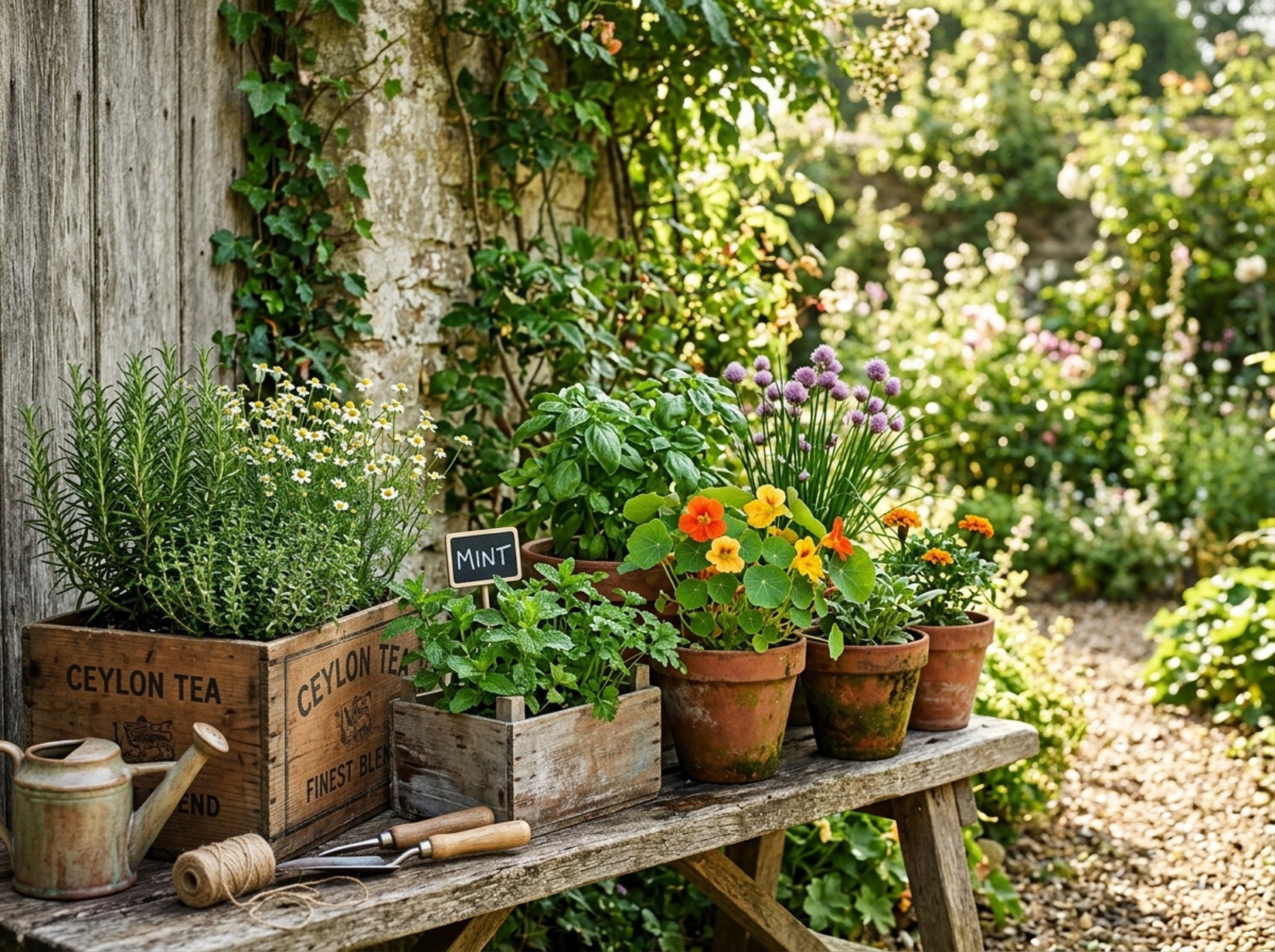
· Upcycled wooden crates lined with coconut coir
· Ceramic bowls or mugs (with drilled drainage holes)
· Vintage metal buckets or watering cans
· Food-safe tin cans or tubs
· Woven baskets fitted with plastic liners
Never use containers that previously stored harsh chemicals, solvents, or non-food toxins, as harmful residues can leach into the soil. A fresh coat of outdoor paint or natural wood sealer can quickly upcycle secondhand items into durable, beautiful planters.
13. Create a Mini Garden on a Small Patio
A small patio provides plenty of room for a cozy outdoor garden without feeling cluttered or overcrowded.
Instead of lining every wall with pots, design a balanced layout that preserves comfortable walkways and seating areas. Combine large statement planters with smaller accent pots, vertical trellises, and compact shrubs or dwarf trees.
Container trolleys and lightweight pots make your setup easy to adjust as light patterns shift throughout the year. Incorporating ambient string lights, decorative gravel, or solar lanterns adds warmth and atmosphere to your patio garden space.
14. Make a Low-Maintenance Mini Garden
Gardening should bring relaxation, not extra stress. Creating a low-maintenance garden comes down to choosing forgiving plants that suit your natural environment.
Group plants with similar watering and light requirements together so you can care for them on the same schedule. Avoid collecting dozens of fussy species that demand constant individual attention—a small collection of healthy, resilient plants always looks better than a crowded space of struggling ones.
Apply a thin layer of organic mulch (like fine bark chips) to larger outdoor pots to retain soil moisture and reduce evaporation. For busy schedules, stick to dependable plants like snake plants, pothos, succulents, ZZ plants, or hardy herbs like rosemary and thyme.
15. Create a Mini Garden That Fits Your Lifestyle
The ideal mini garden isn't the largest or most expensive—it's the one that aligns with your daily routine and living space.
Tailor your plant choices to your lifestyle:
· Busy Professional: Focus on resilient, drought-tolerant plants (succulents, snake plants, pothos) that survive minimal care.
· Home Cook: Cultivate a practical kitchen herb garden with basil, parsley, mint, and thyme.
· Sunny Balcony Gardener: Grow sun-loving crops like cherry tomatoes, peppers, and flowering annuals.
· Shady Apartment Living: Stick to foliage houseplants that thrive in indirect light (ferns, calatheas, pothos).
· Beginner Gardener: Start small with 2 to 4 forgiving plants, building your skills before expanding.
· Families with Pets or Kids: Select non-toxic plants (such as spider plants, Boston ferns, or peperomias) and keep pots securely placed. (Note: Always verify pet safety via trusted resources like the ASPCA plant database).
Starting with just one or two containers lets you gain confidence while discovering what thrives best in your home environment.
How to Make a Mini Garden: A Simple Beginner’s Guide
Learning how to make a mini garden is straightforward when broken down into basic steps. Focus on building a simple, solid setup that matches your available space.
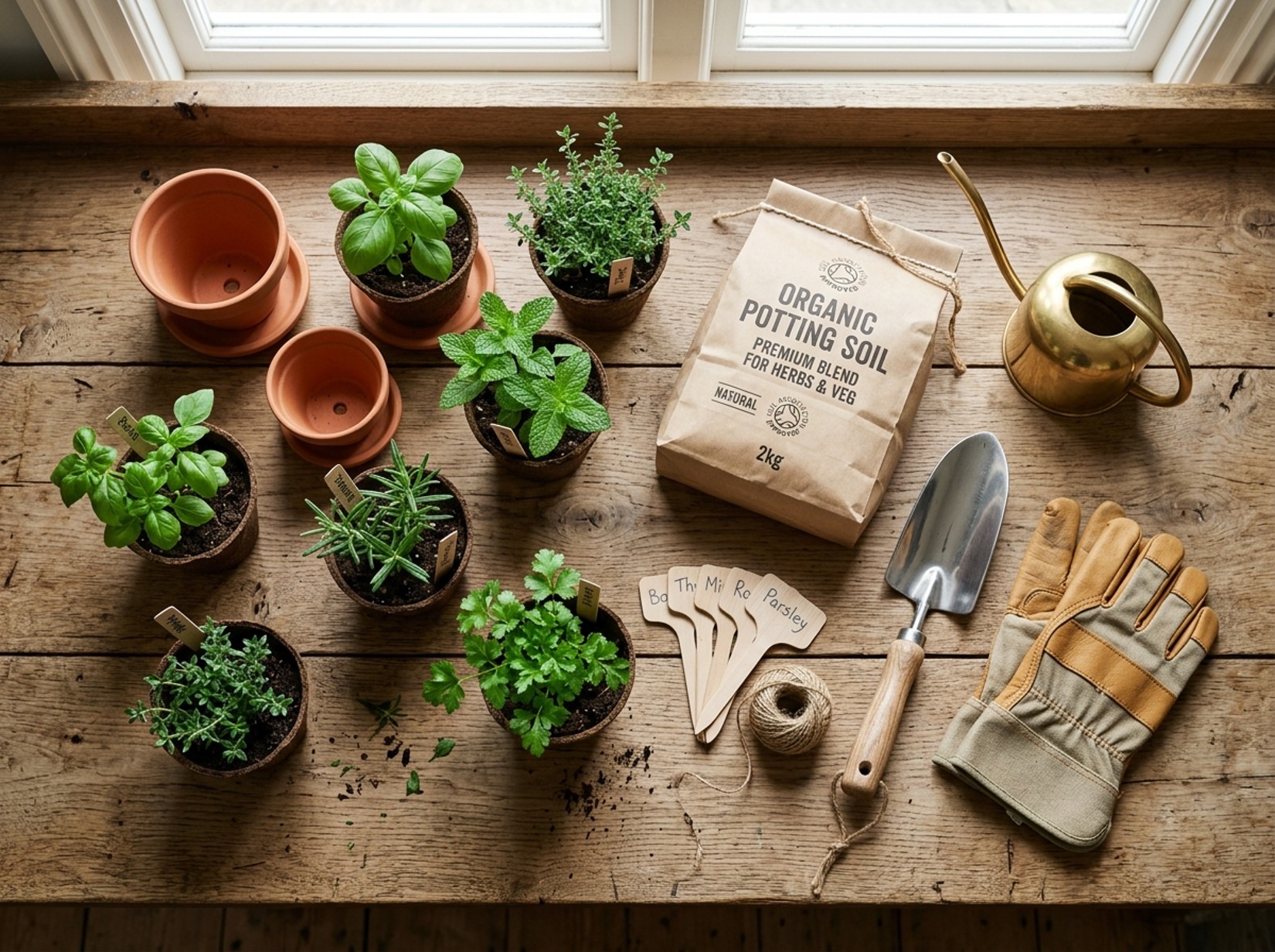
1. Choose the Location
Identify a suitable space in your home, such as a sunny windowsill, balcony rail, patio table, indoor shelf, or bright room corner. Your chosen spot determines which plant varieties will thrive.
2. Observe the Available Sunlight
Monitor how many hours of direct sun your spot receives throughout the day. Full-sun plants require 6+ hours of direct sunlight, while partial-sun or low-light plants prefer filtered or indirect light.
3. Decide What You Want to Grow
Define your gardening goals. Do you want fresh culinary herbs, edible produce, vibrant flowers, or low-maintenance foliage houseplants? Having a clear goal guides your plant and container selections.
4. Choose Suitable Containers
Select pots that accommodate your plants' root systems. Root vegetables and tomatoes need deep containers, whereas herbs and succulents prefer shallower pots.
5. Verify Drainage
Root health depends on adequate aeration and drainage. Always use pots with drainage holes to prevent water accumulation and root rot. Place saucers underneath indoor containers to catch runoff.
6. Use Quality Potting Mix
Fill containers with a light, nutrient-rich potting soil formulated for container gardening. Avoid using dense garden soil from your yard, which compacts easily in pots and suffocates roots.
7. Plant with Care
Follow recommended spacing guidelines on seed packets or plant tags. Giving roots and foliage adequate space prevents competition for nutrients and ensures healthy airflow.
8. Water Based on Soil Moisture
Avoid watering on a rigid calendar schedule. Check the top inch of soil with your finger and water only when it feels dry. Succulents need minimal moisture, while leafy greens require consistent dampness.
9. Monitor Plant Health
Inspect your plants weekly for signs of stress, yellowing leaves, pests, or uneven growth. Catching small issues early keeps your mini garden thriving.
10. Evolve and Expand
As your confidence grows, experiment with new plant varieties, seasonal rotations, or additional containers. Gardening is an ongoing learning journey filled with rewarding discoveries.
Best Plants for a Mini Garden
The best plants for your mini garden depend on your available sunlight, climate, and space. The table below highlights popular choices for small containers:
|
Plant |
Best For |
Light Requirements |
Space Needed |
Beginner Friendly? |
|
Basil |
Herb gardens, kitchen use |
Full sun (6+ hours) |
Small pot (6"–8") |
✓ Yes |
|
Parsley |
Indoor/outdoor herb pots |
Full sun to partial shade |
Small pot (6"–8") |
✓ Yes |
|
Chives |
Windowsill herb gardens |
Full sun to partial shade |
Small pot (6") |
✓ Yes |
|
Mint* |
Isolated container growing |
Full sun to partial shade |
Medium pot (8"–10") |
✓ Yes |
|
Cherry Tomatoes |
Balcony & patio gardens |
Full sun (6–8 hours) |
Large container (5+ gal) |
Moderate |
|
Leaf Lettuce |
Container vegetable pots |
Full sun to partial shade |
Medium shallow planter |
✓ Yes |
|
Radishes |
Quick indoor/outdoor harvests |
Full sun to partial shade |
Medium container |
✓ Yes |
|
Marigolds |
Flower pots & pollinator beds |
Full sun |
Small to medium pot |
✓ Yes |
|
Petunias |
Hanging baskets & railings |
Full sun |
Medium container |
✓ Yes |
|
Pansies |
Cool-season flower displays |
Full sun to partial shade |
Small to medium pot |
✓ Yes |
|
Aloe Vera |
Indoor succulent gardens |
Bright, indirect light |
Small pot |
✓ Yes |
|
Echeveria |
Tabletop succulent dishes |
Bright, direct light |
Shallow dish |
✓ Yes |
|
Jade Plant |
Desk & tabletop greenery |
Bright light |
Small to medium pot |
✓ Yes |
|
Snake Plant |
Low-light indoor corners |
Indirect bright to low light |
Medium pot |
✓ Yes |
|
Pothos |
Shelves & hanging baskets |
Indirect bright to low light |
Medium hanging pot |
✓ Yes |
* Mint should always be grown in its own isolated container, as its vigorous runners will quickly overpower neighboring plants.
7 Common Mini Garden Mistakes to Avoid
Even seasoned gardeners run into issues. Fortunately, avoiding these frequent mistakes keeps your mini garden at home healthy and vibrant:
· 1. Ignoring Sunlight Requirements: Placing shade-loving plants in scorching sun—or sun-hungry herbs in dark corners—causes rapid stress. Always match plants to your space's light conditions.
· 2. Using Containers Without Drainage: Pots without drainage holes trap standing water around roots, causing root rot. Always drill holes or use drainage inserts.
· 3. Overwatering: Watering too frequently is the leading cause of plant loss. Test soil moisture with your finger before watering rather than following a strict calendar schedule.
· 4. Overcrowding Plants: Squeezing too many seedlings into one pot creates intense competition for light, nutrients, and airflow. Give each plant room to reach mature size.
· 5. Choosing Containers That Are Too Small: Tiny pots dry out rapidly in warm weather and restrict root development. Choose containers that accommodate mature growth.
· 6. Forgetting About Local Climate: Cold drafts, extreme heat waves, and low humidity impact plant health. Select varieties adapted to your local growing conditions.
· 7. Starting Too Big Too Soon: Attempting dozens of different plant species simultaneously leads to burnout. Start with 2 to 4 easy-care varieties and expand gradually.
Frequently Asked Questions
What is a mini garden?
A mini garden is a compact gardening setup tailored for small spaces such as apartment balconies, windowsills, patios, porches, or tabletop surfaces. It allows you to grow herbs, vegetables, flowers, or foliage plants using containers and vertical space without needing a traditional yard.
How do I create a mini garden at home?
Select a location with adequate sunlight, choose what you want to cultivate (herbs, flowers, or greens), pick containers with drainage holes, fill them with quality potting mix, and water according to each plant's specific needs.
What plants are best for a mini garden?
Popular beginner plants include culinary herbs (basil, parsley, chives), leafy greens (lettuce, spinach), compact vegetables (cherry tomatoes, radishes), flowering annuals (marigolds, petunias), and resilient indoor plants (succulents, pothos, snake plants).
Can I make a mini garden without a yard?
Yes! Millions of urban gardeners grow thriving gardens on apartment balconies, windowsills, indoor shelves, desks, and stoops using container gardening techniques.
What can I grow in a small balcony garden?
A sunny balcony can produce fresh herbs, cherry tomatoes, strawberries, leafy greens, peppers, and colorful flowering baskets. Shadier balconies suit ferns, leafy salad greens, and shade-tolerant annuals.
How do I make a mini garden indoors?
Place your plants near a bright window, select species adapted to indoor light conditions, use well-draining pots with protective trays, and rotate containers regularly for even growth.
Are mini gardens difficult to maintain?
Not at all. Small container gardens are easy to care for when you select low-maintenance plants, group species with similar water requirements together, and avoid overwatering.
Conclusion
You don't need a large backyard plot to enjoy the peaceful satisfaction of growing plants. With a bit of creativity and practical planning, any small space can become a thriving green retreat. Whether you cultivate a sunny windowsill garden filled with fresh cooking herbs, a colorful balcony garden overflowing with blooms, or a tranquil tabletop collection of succulents, tiny gardens make a massive impression.
The best mini garden ideas aren't about crowding as many pots into a space as possible—they are about creating a personalized garden that fits your home, schedule, and personal style. Starting with just one container or a small collection of beginner-friendly gardening choices is all it takes to experience the joy of growing.
As your skills grow, you can expand your collection, try new plant varieties, and adapt your space to the changing seasons. No matter how small your living area may be, there is always room to bring a little more greenery into your home with GreenNestling.

